
Company Updates Africa flour supply chain
The Cost of Waiting: How Delays Impact Flour Supply Chain
Where Every Hour Matters
Before a single bag of flour is milled, the journey begins at the quayside, where every hour counts.
A short delay at berth can ripple hundreds of kilometers inland, raising costs and slowing production.
Across Africa and the Middle East, those ripples grow into waves. In landlocked countries, inland transport can cost up to three times more than along coastal routes, and each extra day in transit can increase trucking costs by about 6%. When trucks wait, mills wait. And when mills slow, so does the region’s flour supply chain—from storage yards to supermarket shelves.
Efficient port operations are not only about speed; they are the first safeguard of regional food security and supply stability.
The Bumps on the Road
When 47,000 metric tons of Hard Red Winter Wheat arrived from the United States, time became the invisible currency. Every crane swing, truck dispatch, and weather update mattered.
A delay didn’t just cost hours—it meant real financial pressure on the mills waiting inland.
But the port had its own challenges: congestion, late crane deployment, truck shortages, and shifting weather. Each could turn a six-day plan into weeks of uncertainty and add zeros to logistics budgets.
This is where experience meets instinct. IMGS Group’s on-ground teams worked hour by hour, aligning discharge with truck rotations, reallocating equipment mid-shift, and keeping every stakeholder informed. The result was a six-day turnaround, achieved despite the obstacles—keeping the chain unbroken and the grain moving.
For most, it was another operation completed. For the mills relying on that wheat, it was the difference between a slowdown and a steady grind.
Turning Hours into Opportunity
When a vessel departs on schedule, the impact travels far beyond the port. Trucks keep moving. Mills keep grinding. Markets keep supplied.
That is the rhythm IMGS Group helps sustain—not only through operations, but through foresight. Every decision made at the quayside, from discharge timing to truck coordination, strengthens the next stage of the flour supply chain. It is about more than completing a job; it is about ensuring that each movement at berth supports production, stability, and trade across borders.
In this business, time is more than a measure—it is momentum. And momentum is what keeps the industry turning, economies stable, and regional markets supplied.
Every grain matters. Every decision matters. And when they move together, a region moves forward.
RELATED SERVICES Africa flour supply chain
Maximize your investment and competitive advantage with IMGS Group related services
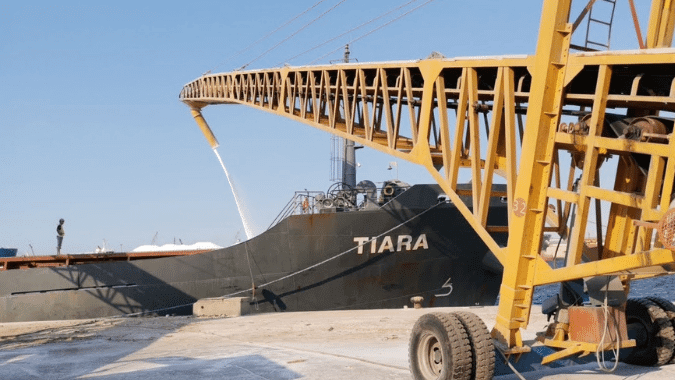
Ship Loading & discharging
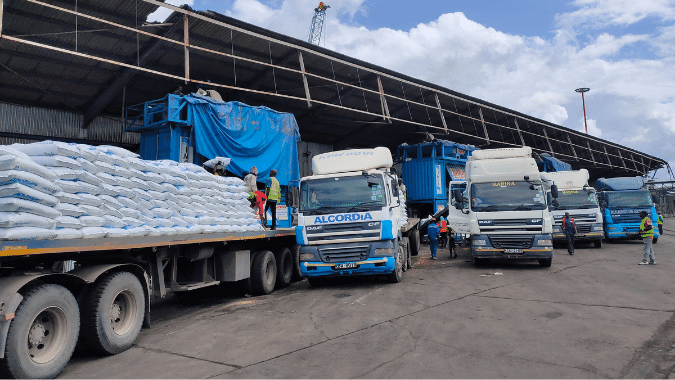
Freight and Inland Transportation
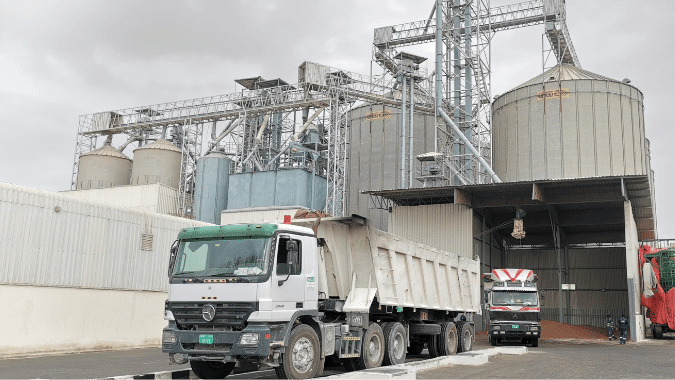
Terminal & Silo Management
Get your customized solutions now!